Last blog post I talked about planning your novel and a couple of methods that should make your planning more effective. So this time after we’ve done some planning we’re going to do some research (kind of).
This post is all about a beginner’s guide to fantasy. Maybe you’ve started watching Game of Thrones and want to read some similar works, or maybe the fantasy genre is something that you’ve always wanted to get into but just didn’t know where to start. Whatever the reason this post should help you decide where to begin!
So in no particular order, let’s dive into it!
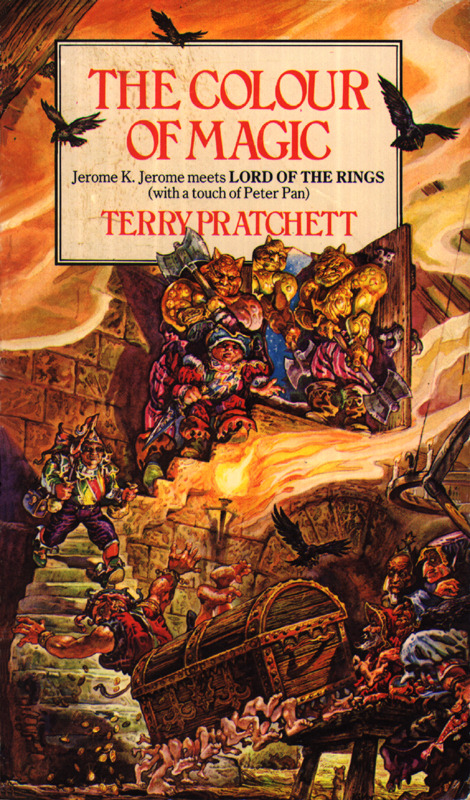
Terry Pratchett's Discworld Series
I don’t think an entry talking about getting into fantasy should miss out this absolute gem of a series. Written by a genuine Knight of the Realm and Officer of the British Empire, Terry Pratchett’s Discworld series spans (currently) almost 40 novels as well as short stories, maps and books on the science of Discworld.
In short, Discworld is a number of stories where the earth is a flat disc balanced on the back of four elephants who are standing on the back a turtle flying through space. And in a way that pretty much sums it all up. Pratchett’s writing is as wonderful as it is amusing, scattered with witticisms and puns as much as a dragon’s horde is scattered with gemstones.
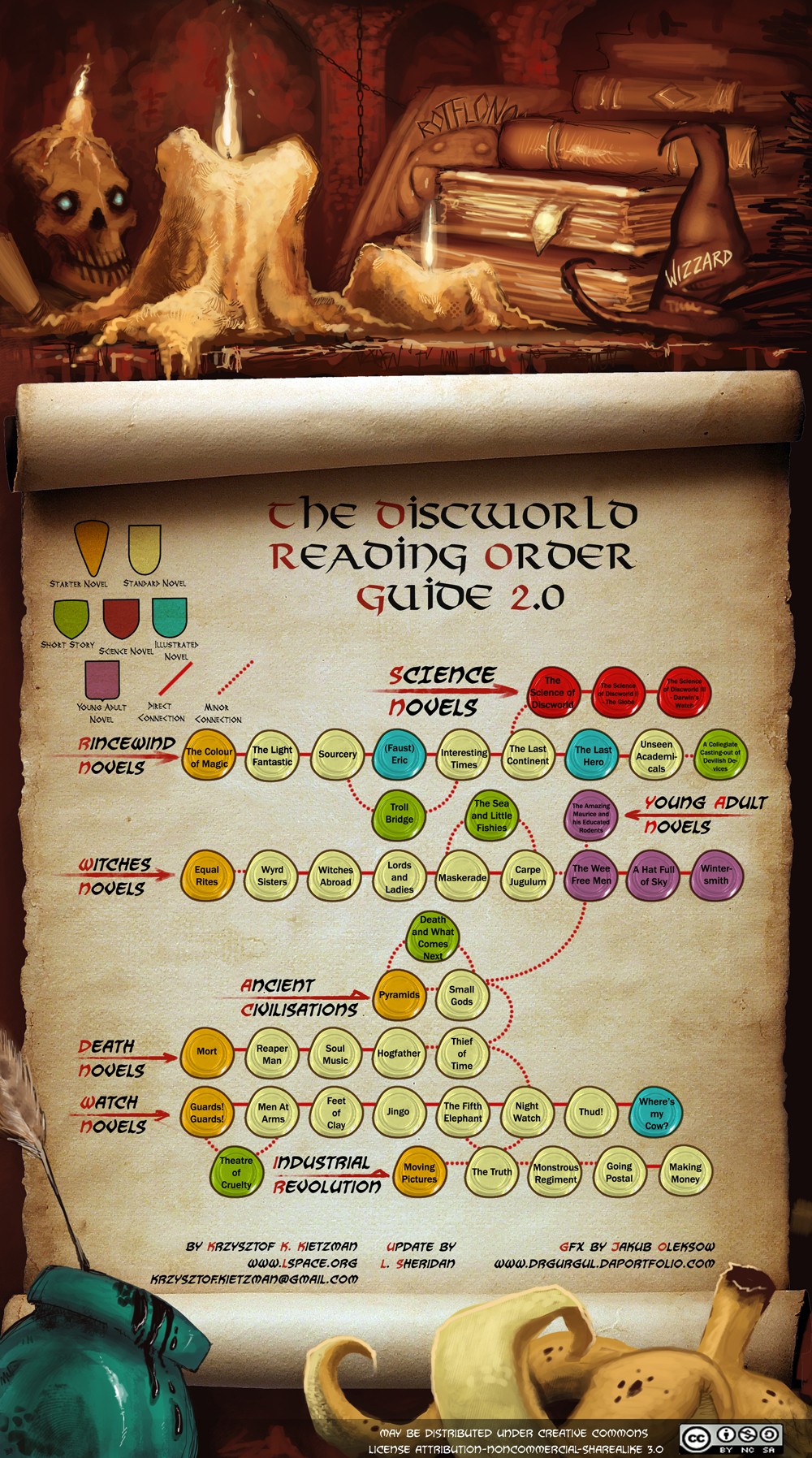
The Discworld series spans across many different characters across the whole Discworld, from a cowardly wizard, the leader of the City Watch and even to Death himself. So there’s something for everyone, and each of the books is easily understood if you don’t have any other experience with the series. I would recommend starting with the first book The Colour of Magic and working your way out from there, but here’s a helpful infographic to help you find which books have which characters in them.
Terry Pratchett’s Discworld provides an excellent entryway into the fantasy genre as well as a most pleasant and entertaining read for veteran.
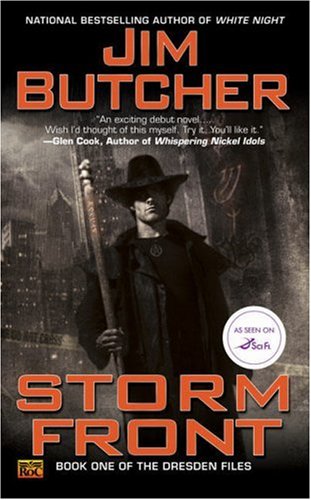
The Dresden Files by Jim Butcher
This series is the perfect opportunity to acquaint yourself with contemporary fantasy. The series follows the character Harry Dresden, a private detective in modern day Chicago and he just happens to also be a wizard. Harry’s character is vibrant and funny and each story, whilst contributing to an overarching storyline, wraps itself up nicely if you want to just pick one up every now and again.
The stories are full of suspense, mystery and excitement (what else would you expect from a wizard P.I.?) and in every story you feel like Harry is being pushed to his limits. It’s a great series with warm characters and an excellent magic system, the story works its way up from Harry solving supernatural crimes in Chicago to fighting powerful magical beings AND solving crimes in Chicago.
A very fun series that’s easy to get into and easy to get hooked on, an excellent first adventure for those looking for contemporary fantasy.
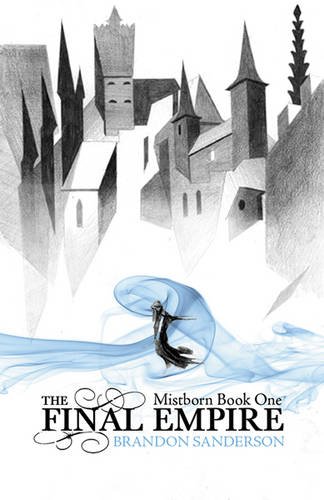
The Mistborn Trilogy (ish) by Brandon Sanderson
You may have heard of the author Brandon Sanderson who does everything he can to disprove rumours that he is an automaton programmed to write excellent fantasy, and Mistborn does nothing to dispel that rumour.
The tagline for the first book in the series is ‘What if the Dark Lord won?’ and that’s exactly where you are at the start of the series. The evil overlord has reigned supreme for one thousand years and the world is covered in the ash from constantly erupting volcanoes. There is magic in the world in the form of Allomancy; the magic of metals. Certain people can ingest and ‘burn’ metals to release the magical energy within them, and different metals have different properties. The story opens onto Vin, a young girl who must master her Allmonatic powers and gets dragged into the plot for revolution.
The Mistborn is currently a trilogy that follows Vin, and then another book The Alloy of Law set about 300 years after the events of the original trilogy. Sanderson’s writing is thoroughly enjoyable and his ability to weave a story full of suspense, excitement and plot twists is second to none. Sanderson’s worlds are extremely well crafted and his stories work hard and fast to do them justice, and they succeed. I highly recommend this series; once you’ve dipped your toe in the proverbial waters of the Mistborn you’ll find it hard to put the book down. Definitely a must read for new and experienced readers alike.
Conan the Barbarian by Robert E Howard
The classic barbarian, Conan is thick sinewy muscle, moving with leonine grace as he dashes from
adventure to adventure. Conan first appeared in 1932 and has been at the forefront of fantasy ever since, appearing in countless adventures ranging across the written word to film and games.
Given the nature of the Conan stories a lot of them are relatively short so it’s nice and easy to dip in and out of. Although the chronology might jump around a bit, but it’s probably just a good idea to go along with it and think “Oh it’s just Conan on another one of his crazy adventures!” and apart from that there’s nothing to stop you picking a story at random and thoroughly enjoying the read through.
The prose that Robert E Howard uses in his stories is vibrant and elegant, his language easily conveys the lithe power and grace of Conan and the world springs to life from the page. It’s good old fashioned sword and sorcery adventure with something for everyone, if you don’t want to see Conan on one adventure there’s sure to be another adventure to your tastes! An excellent window into classic fantasy and a good refresher for anyone who wants a bit of a change from dark, gritty fantasy.
Magician By Raymond E Feist
The first book in the Riftwar Saga and the Riftwar Cycle, an epic story spanning across worlds, planets and time. Initially part of the Riftwar Saga trilogy, Raymond E Feist has recently finished the final book in the epic Riftwar Cycle, spanning 29 novels and more.
The orphan boy Pug is apprenticed to a master magician and as the kingdom is suddenly attacked by alien invaders, Pug and his friend Tomas are swept into the conflict and Pug’s destiny leads him through a rift to a new world.
I still remember my first reading of Magician and I remember pausing in my reading to think how wonderfully written it was and how much great fun it was to read. The writing is easy to get to grips with and the characters are vibrant and the world just as colourful, with magical races and creatures to keep you entertained. The story has some interesting twists and turns and the characters rise to their challenges but not without being tested both emotionally and physically.
A thoroughly enjoyable read and one that is sure to enthrall you from cover to cover, an excellent window into an epic cycle but is also neatly wrapped up in an initial trilogy should you wish to leave it at that.
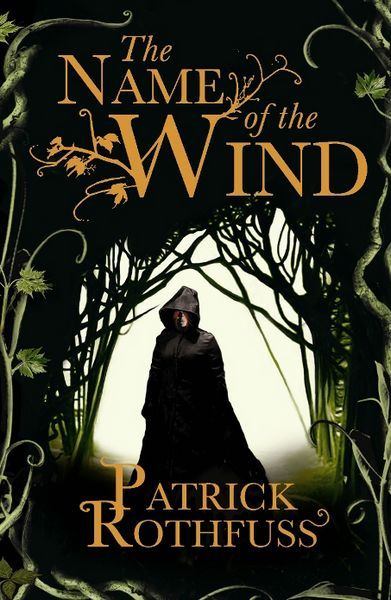
The Kingkiller Chronicles by Patrick Rothfuss
I would not be able to permit myself to talk good fantasy books if I did not mention The Kingkiller Chronicles by Patrick Rothfuss. The novels follow a young man named Kvothe, a mysterious individual running a tavern in an out of the way village when he is happened upon by a man looking for him to tell his story, after some convincing he does just that. And so each book is a day of Kvothe telling his tale, with breaks in the first person narrative as Kvothe rests from his storytelling.
The first book is The Name of the Wind, the second is The Wise Man’s Fear and Patrick Rothfuss is currently working on the final instalment. Rothfuss’ elegant and elaborate prose will draw you into this book and the compelling story of Kvothe will keep you there. The magic within Rothfuss’ world is based on energy manipulation rather than outright magery, called ‘Sympathy’ it connects objects together and then uses energy manipulation to effect changes on the object.
The Name of the Wind is most certainly my favourite book of all time, the prose are phenomenal and you know that every word in the book has been placed there with extreme forethought and expert precision by Rothfuss.
So there you have it! My few suggestions for anyone wanting to begin reading in the fantastical world of fantasy if they’re not sure where to start! Most of these choices give you the option to read as little or as much as you like, in particular The Dresden Files and the Discworld series is perfect for jumping in and out of as you like.
If you have any other suggestions please don’t hesitate to email them in to thetemperedpen@gmail.com or send a message using the facebook page, and don’t forget to like it so you can see when we post something new!
Keep those pens poised and your words sharp!